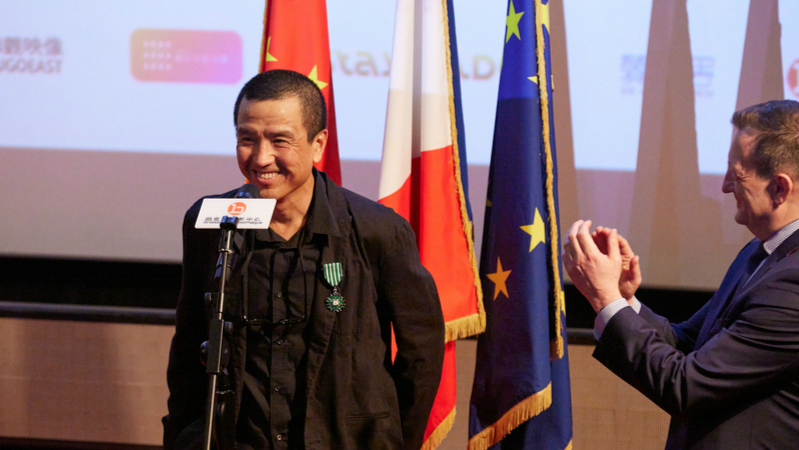
Lou Ye
Introduction
Lou Ye is a prominent Chinese film director and screenwriter known for his distinctive style in Chinese cinema, particularly within the arthouse and independent film sectors. Born on March 25, 1965, in Shanghai, Lou Ye has carved a niche for himself with films that often explore complex human relationships, societal issues, and historical contexts. His provocative storytelling and cinematic techniques have garnered both critical acclaim and controversy, occasionally leading to censorship challenges in China.
Early Life and Education
Lou Ye was born and raised in Shanghai, a city that often features prominently in his films. He developed an early interest in cinema and pursued formal education in film at the Beijing Film Academy, one of China's most prestigious film schools. Here, he was part of the fifth generation of Chinese filmmakers, although his style and thematic choices often align him more closely with the sixth generation, known for their focus on urban, contemporary issues and more personal, independent filmmaking.
Career Highlights
Lou Ye's career began in the 1990s, a time when Chinese cinema was undergoing significant changes with the rise of independent films that often tackled more personal and socially relevant themes. His breakthrough film Suzhou River (2000) is considered a modern classic and showcases his signature style—an amalgamation of noir, romance, and social critique. The film explores intertwined lives and love stories set against the backdrop of Shanghai's waterfront, drawing comparisons to Alfred Hitchcock's Vertigo.
Notable Films
-
Suzhou River (2000): This film is a landmark in Lou Ye's career, gaining him international recognition. It is renowned for its innovative narrative structure and visual storytelling.
-
Spring Fever (2009): This film won the Best Screenplay Award at the Cannes Film Festival and explores themes of homosexuality and love, set in the context of modern urban China.
-
Mystery (2012): This film delves into the themes of marital infidelity and the dissonance between public personas and private lives. It received critical acclaim for its intricate plot and deep character studies.
-
Blind Massage (2014): Adapted from a novel, this film explores the lives of visually impaired masseurs, offering a unique narrative perspective and showcasing Lou Ye's ability to handle sensitive topics with nuance and empathy. It won the Silver Bear for Outstanding Artistic Contribution at the Berlin International Film Festival.
-
Saturday Fiction (2019): Set during World War II in Japanese-occupied Shanghai, this film stars Gong Li and combines elements of espionage and drama. It premiered at the Venice Film Festival, underscoring Lou Ye's continued engagement with historical and political themes through a personal lens.
Style and Influence
Lou Ye is celebrated for his layered narratives and visually captivating style, often employing hand-held camera techniques to create an intimate, immersive experience for viewers. His films are characterized by their exploration of individual freedom and identity against the backdrop of societal and political pressures. Lou Ye's work is instrumental in the rise of Chinese independent cinema on the global stage, showcasing the complexities and nuances of modern Chinese life.
Personal Life
Lou Ye remains a central figure in contemporary Chinese cinema. Despite facing challenges from censorship authorities, he continues to push the boundaries of storytelling in Chinese film. His dedication to exploring themes of love, identity, and freedom has made him a revered figure among cinephiles and a subject of study for those interested in film and Chinese culture.
Lou Ye's contribution to cinema extends beyond the films he directs; his work inspires a younger generation of filmmakers who seek to tell authentic, challenging stories within and beyond China's borders. Through his distinctive voice and courageous approach to filmmaking, Lou Ye has left an indelible mark on the global film landscape.








